
Hyperpigmentation is a condition that affects millions of people every year. This darkening of the skin has many causes, such as sun exposure and aging. It can lead to dull, lackluster skin and even acne breakouts, so it’s important to treat hyperpigmentation as soon as possible. Essential oils are an effective way to treat the condition and get younger-looking skin.
What Causes Hyperpigmentation?
Hyperpigmentation is caused by an excess buildup of melanin in the skin. It can come from sun exposure, which causes the pigment to increase, or it can be a side effect of other substances that you put on your skin. Some medications and hormones can also cause hyperpigmentation problems. The condition causes dark brown patches that are difficult to cover up or hide with makeup, especially if you have large areas affected by hyperpigmentation.
What Are The Best Essential Oils For Hyperpigmentation?
Any essential oil that contains vitamin C can potentially be effective against hyperpigmentation. like Tea Tree Oil, Lemon Oil, Rosehip Oil, Camu Camu Oil, Carrot seed Oil
Let’s look into each one in-depth:
Tea Tree Oil
This oil contains Vitamin C which helps keep your skin’s pH balanced, which keeps your skin from becoming overly dry and irritated. It also contains antioxidants, which protect the skin from the damage caused by hyperpigmentation over time. Tea Tree oil may work best for hyperpigmentation when it is infused with tea tree oil with a carrier oil like sweet almond or grapeseed oil. The infusion should be rubbed in the morning and night, and over time you will notice a reduction in skin discoloration.
Lemon Oil
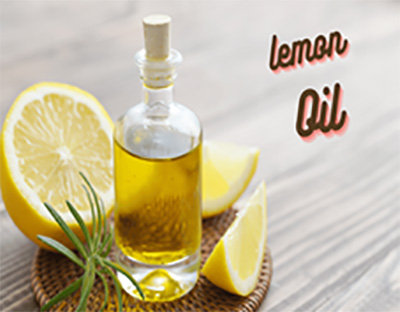
This oil can be used as a toner to help balance your skin’s PH level and to treat uneven skin tones from sun exposure.
It also helps with blackheads and reduces redness from acne breakouts. Vitamin C in the Lemon oil also helps your skin renew itself so the hyperpigmentation will eventually fade.
Rosehip Oil
Rosehip oil has anti-inflammatory properties that can help reduce redness and irritation from acne breakouts. It also contains antioxidants that preserve the skin’s natural moisturizer. This can prevent flaking and dry patches from developing. The oil may work best when used in conjunction with a carrier oil.
Camu Camu Oil
This oil contains a high concentration of Vitamin C that absorbs into the skin easily, boosting collagen production while helping to lighten dark areas of hyperpigmentation. It also has anti-inflammatory properties that can help reduce redness and irritation from acne breakouts. Camu Camu oil also contains Vitamins A and E, which promote collagen and elasticity.
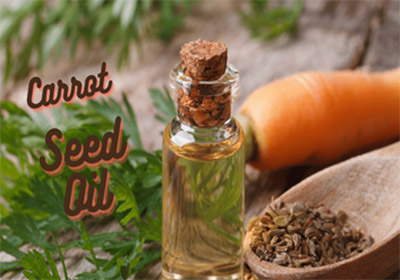
Carrot seed oil
This oil contains a high concentration of Vitamin A, which helps to prevent wrinkles and premature aging from developing. It is also rich in anti-inflammatory properties that can help reduce redness and irritation from acne breakouts.
Carrot seed oil may work best for hyperpigmentation when it is applied with a carrier oil like argan oil or coconut oil.
How To Use Essential Oils For Hyperpigmentation
When applying essential oils to your skin, you have a few options. You can either mix the essential oils together and apply them directly to your skin using a cotton ball or q-tip. This method provides a more concentrated dose of the benefits of the essential oils, so it’s best for treating sensitive skin or areas that aren’t easily accessible. This method is also particularly effective if you have darker spots from old acne breakouts.
The second method is to apply one oil at a time to your skin. Mix the essential oil with jojoba oil or coconut oil, because both of these oils are easily absorbed into your skin. Apply the mixture to the affected areas and let it completely absorb into your skin before applying the next oil. This method doesn’t provide as concentrated a dose of benefits as the first method, but it’s still effective against hyperpigmentation. The oils don’t mix well together, so the resulting mixture will stay on your skin for a longer period of time.
Once the essential oils have completely absorbed into your skin, you can apply your regular moisturizer or other treatment products to lock in all of their amazing healing properties. These oils work best when combined with other methods for treating hyperpigmentation, like using chemical exfoliants to remove dead skin cells or even switching to more natural makeup products.
Tips To Avoid Hyperpigmentation
1. Use Sunblock: This is one of the best ways to prevent hyperpigmentation from developing in your skin. UVA rays from the sun can cause dark spots and discoloration in your skin, so make sure you use a good sunscreen every day.
2. Limit Tanning: Exposing your skin to too much UV light can block your pores and make your skin break out, causing pore blockages and other acne conditions. These conditions can make your skin darker and can even lead to hyperpigmentation. If you do want to tan, try using fake tanners instead.
3. Reduce Chemical Exfoliation: Avoid using harsh chemicals to scrub your face too often. Overusing chemical exfoliants can cause dry patches on your face, which will intensify the dark spots in your skin. Instead of scrubbing too much, switch to using a gentle face wash or cleanser instead.
4. Limit Dairy Products: Some people notice that dairy products cause dark spots on their faces, so it’s a good idea to limit your consumption of milk, cheese and ice cream if you have problems with hyperpigmentation.
5. Eat Collagen-Rich Foods: Collagen is the protein that holds your body together from the inside out, from muscles to bones to skin. It provides moisture and elasticity to your skin, which keeps it from becoming too dry and brittle over time. Collagen also produces elastin, which helps your skin bounce back to its natural state after you’ve been facing the elements or have been experiencing acne breakouts. Foods rich in collagen include poultry, fish, eggs, tofu, almonds, and chickpeas.
6. Use Antioxidant Supplements: Antioxidants neutralize the free radicals in your body that cause open sores and other problems with your skin. It’s also a good idea to add antioxidants to your diet through fruits and vegetables.
Tips To Reduce Pimples & Acne Scars
1. Use Aloe Vera Gel: This is one of the best treatments for acne scars because it’s very hydrating. The gel cools down your skin and soothes redness, inflammation and irritation on your face, which can help to prevent new breakouts from forming.
2. Use Green Tea: This has antioxidants and other nutrients that can heal your skin and fight against acne bacteria. Green tea is also known to help with inflammation, which can help reduce puffiness around your face and eyes.
3. Use Skincare Products: You don’t have to spend a lot of money on fancy products to get the results you need because you can make your own skincare products at home if you’re really committed to treating acne scars. There are plenty of DIY skincare recipes online that can provide a lot of natural benefits, including ingredients like honey, papaya, aloe vera gel, and cocoa butter.
4. Hydrate: Dehydration can make your skin look dry and dull from lack of moisture, which will make it appear darker from the sun’s rays. Make sure you drink enough water each day.
5. Eat Healthy: You need to get vitamins and other nutrients from your diet to heal your body and keep it functioning at its best. Try switching up your diet to get more fiber, antioxidants, and healthy fats, like almonds.
6. Use Castor Oil: This is a good option for hyperpigmentation that can be mixed with other essential oils or treatments for treating acne scars or breakouts. A little bit of castor oil mixed with argan oil can be applied to the affected areas of your skin. 7. Use CoQ10: A supplement made from lauric acid, coenzyme Q10 is a powerful antioxidant that can help with inflammation and cellular growth. You can use this on your face by mixing a few drops of it with argan oil, coconut oil or jojoba oil. Apply it to your skin on an empty stomach at night to help improve circulation and reduce bacterial growth in your body.
Our Final Thoughts
Hyperpigmentation is not easy to treat. It takes time and patience to see results. Some people have reported that they notice results after just a few weeks, but it can take several months before you notice a significant improvement.
To get the most out of these essential oil methods, make sure to keep your skin hydrated by drinking lots of water and avoiding harsh soaps and chemicals on your skin. If you find that these methods are too time-consuming or aren’t working for you, it’s best to consult with a dermatologist who can recommend other treatments for hyperpigmentation.