
Oils from the mint family of plants have a reputation for reducing swelling and soothing irritation. Since they appear to work instantly, they’re a popular remedy for swelling. They can even help cool inflammation.
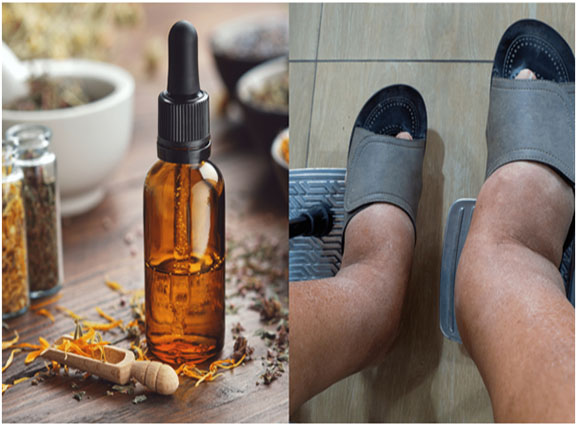
Swelling is an uncomfortable and unsightly side effect of the medical condition known as edema.
This condition is typically caused by fluid buildup in the body’s tissues and organs, but in some cases, swelling can be the result of an injury or surgery.
Depending on the severity of your swelling and your medical history, you may be a candidate for at-home treatment.
Fortunately, many essential oils have anti-inflammatory properties that can help ease your swelling and reduce pain.
Let’s look at six ways to use essential oils for swelling and pain relief.
1) Peppermint oil helps relieve joint inflammation, which is a symptom of arthritis. It also acts as a digestive stimulant that promotes healthy body functioning by stimulating circulation and increasing satiety. The menthol in peppermint oil acts as an anesthetic to relieve pain and reduce inflammation when applied to the skin.
2) Lavender oil is a go-to essential oil for pain and stress relief. It soothes pain and muscle aches when applied topically, and it reduces inflammation by destroying free radicals in the body. Also, because of its antibacterial properties, lavender oil may be helpful in treating wounds caused by swelling.
3) Ginger is a popular remedy for digestive discomfort, but it also has powerful anti-inflammatory properties that may help treat swelling caused by inflammation of the gastrointestinal tract.
4) Basil oil has anti-bacterial and anti-inflammatory properties that can reduce swelling at the infection site. It’s a natural insect repellent, too.
5) Ylang-ylang is another essential oil that can reduce swelling. It’s also useful for treating wounds when applied topically.
6) Chamomile oil helps relieve eye inflammation and redness. It’s also ideal for helping treat skin irritation from swelling and acne.
Essential oils can be diluted with a carrier oil before application, but some users like the expressiveness of essential oils diluted in vinegar or even water.
You can apply essential oils directly to the skin using a cotton ball or tissue. You can also make a bath with 3- 4 drops of essential oil per bathwater to help soothe your swollen hands and feet.
Be careful when using essential oils internally. Talk to your doctor before using essential oils to treat arthritis or other medical conditions.
Why The Above Essential Oils Can Help With Your Swelling Or Pain?
Peppermint Oil: Is an analgesic, anti-inflammatory, decongestant, carminative, diuretic, rubefacient, stimulant, and stomachic substance.
Ylang-Ylang Essential Oil: Relieves spasms in the muscles and connective tissue, soothes and relaxes nerves, and aids in the relief of pain from toothaches and headaches.
Ginger Essential Oil: Has the ability to reduce inflammation due to its anti-oxidant and anti-inflammatory properties, and may help with joint stiffness and pain. Known to be an effective remedy for nausea, motion sickness, morning sickness, and morning sickness.
Basil Essential Oil: Basil oil has anti-inflammatory properties and can be used as first aid to treat skin infections and insect bites with its antiseptic properties.
Lavender Essential Oil: Has antimicrobial properties and is used to treat acne, insect bites, headaches, muscle aches, sleep problems, stress, and wounds.
Chamomile Essential Oil: Has anti-inflammatory and calming effects that can reduce pain and swelling of tissues.
These oils are natural, highly effective remedies for treating a variety of ailments. From pain to inflammation and even swelling, they can often help soothe pain instantly. There are so many different essential oils available to the home herbalist in addition to the above-mentioned oils that it may be difficult to choose just one type!
Which Essential Oil Is Strongest For Swelling?
The most effective oil for treating swollen legs would be a blend of 2 or 3 essential oils such as peppermint oil, clove oil, and lavender oil.
Peppermint oil is analgesic, anti-inflammatory, decongestant, carminative, diuretic, rubefacient, stimulant, and stomachic substance. Peppermint oil has powerful stimulating properties that help reduce swelling and stimulate blood flow. It is especially effective when used on feet or legs where there is cramping or pain caused by poor circulation.
Clove oil is an analgesic oil that relieves spasms in the muscles and connective tissue. Clove oil also soothes and relaxes nerves. Clove oil has anti-inflammatory and antiseptic properties that can reduce pain and swelling of tissues.
Lavender oil is an analgesic essential oil that relieves pain and swelling in the muscles, joints, and connective tissues. It can help reduce pain associated with arthritis and rheumatism.
You can create your own blend by placing 2 or 3 drops of peppermint oil, 2 or 3 drops of clove oil, and 2 or 3 drops of lavender oil in a teaspoon of carrier oil and rubbing the mixture onto the affected area of your body.
How Long Do Essential Oils Remain Active?
Essential oils remain active for 3 to 4 days. Some studies have shown that some essential oils can be used on the skin for up to 6 weeks!
Are Essential Oils Safe To Use On Children?
Essential oils are considered to be safe for children when used properly and in moderation. However, it is always best to err on the side of caution and consult with a pediatrician before using essential oils for children.
Essential oils are natural and safe for all types of skin types. However, if you are pregnant or nursing you should consult with your physician before using essential oils. Essential oils should never be applied directly to the skin of babies or children younger than 10 years of age. Always follow the manufacturer’s directions when using essential oils.
In the final analysis, essential oils are safe and effective alternative medicines. But you should always use them in moderation. Never put them in your eyes, nose, or your mouth. Always dilute them according to the manufacturer’s directions when using a carrier oil such as olive oil or coconut oil.
To conclude our article, we would like to share the following essential oils tip with you. Before using essential oils to relieve pain or relieve swelling, always test them for allergies by applying a small amount to your arm or leg and wait 1 hour. If there are no adverse reactions, then you are probably safe to use the essential oil on the affected area of your body.
Did you know that you can relieve your swollen legs with something as simple as ice and salt? Yes, ice and salt! Here’s how it works.
First, pour a small amount of salt into a cloth bag. Then, soak the bag in warm water and squeeze the excess liquid out. Then, place the bag of ice and salt on the swollen leg for a few minutes at a time.