
Essential oils can be used for a variety of purposes, including smoking cessation. Some essential oils can be used to inhale or consume to vape. Others can be applied directly to the skin. When smoking, the harmful ingredients in your cigarette habit are burned off, clearing your palate and lungs.
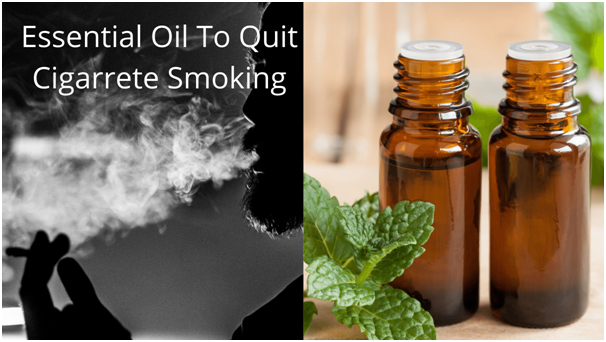
Various herbs or oils can reportedly help people to quit smoking or chewing tobacco. The active ingredients in plant-based products don’t include cancer-causing chemicals that come from tobacco products such as cigarettes and cigars. Some users report that they have been able to eliminate their craving for tobacco by consuming certain plants or herbs in liquid form or in capsules.
We hate to even include this, but here goes: Anyone who has tried marijuana to quit smoking knows that it does not work AT ALL! Research has shown that smoking cannabis can re-sensitize the brain’s receptors to nicotine, meaning that if you are trying to stop using nicotine, smoking cannabis can undo all of the work you are doing to quit.
If you want to try quitting smoking with essential oils, here’s a list of some of the best essential oils for smoking and these:
- Lavender Oil: Relaxing aroma can help you relax while you detox from nicotine and tobacco. Use for inhalation, in baths or in diffusers.
- Rosemary Oil: The stimulating aroma of Rosemary can be energizing while helping to suppress the craving for nicotine or tobacco. Use for inhalation, in baths, or in diffusers.
- Patchouli Oil: This is an earthy and heavy fragrance that may help you get a good night’s rest after a hectic day of quitting. Use for inhalation, in baths or in diffusers.
- Cedarwood Oil: This woody scent may help you feel more grounded while combating the anxiety and stress of quitting. Use for inhalation, in baths or in diffusers.
- Neroli Oil: This floral fragrance can help you rid yourself of the negative thoughts associated with quitting. Use for inhalation, in baths, or in diffusers.
- Eucalyptus Oil: The invigorating aroma of Eucalyptus can help invigorate you while combating the cravings for nicotine or tobacco. Use for inhalation or in the bath.
How Do Essential Oils Help To Quit Smoking?
Essential oils contain active compounds that boost mood and kill cravings for nicotine and tobacco. Essential oils are concentrated plant extracts that smell wonderful and may help you relax or put you into a state of euphoria when used properly. Some people find that inhaling essential oils can help to wean them off tobacco or nicotine with greater ease than other methods.
What Makes Essential Oil Better Than Traditional Nicotine Replacement Therapy?
Many people turn to nicotine replacement therapy to quit smoking. Some of these products use synthetic chemicals that mimic the effects of nicotine while others use herbs that help combat cravings for nicotine or smokeless tobacco.
But if you’re using a more natural approach, why not use entirely natural products?
Some research suggests that plant compounds found in essential oils such as lavender and pine can work as well as nicotine patches and gum to help people quit smoking. However, more research needs to be done before certain species of essential oils are recognized as legitimate smoking cessation products.
How do you use essential oils to quit smoking?
When using essential oils to quit smoking, there are a few different methods you should know before you begin.
1. Vaporizing
Using essential oil in a vaporizer is a great way to get the benefits of essential oils while avoiding the unpleasant side effects of smoking or inhaling smoke. Essential oil vaporizers work by using heat from electric coils to vaporize essential oils and release their active compounds into the air.
Some vaporizing devices come with unique attachments that allow you to add essential oils to water that has been heated to create a mist that can be inhaled or applied directly to the skin to help combat cravings for nicotine or tobacco.
2. Gargling With Essential Oils
Placing a few drops of essential oils into a glass or stainless-steel mug or container of water can create a beneficial DIY mouthwash that can help to wean you off nicotine and tobacco by reducing your cravings for the nicotine in cigarettes or cigars. According to the Cochrane Database Review, gargling with essential oils can increase saliva production and aid in digestion by cleansing your palate of foods and beverages that may have harmful toxins.
3. Applying Essential Oils Topically To The Gums Or The Back Of The Throat
Many people who use essential oils to quit smoking find that they experience better overall health benefits when they apply essential oils directly to the gums or the back of the throat. These oils can come in contact with mucous membranes that help to prevent bacteria from spreading throughout the body. Essential oils applied directly to the gums and sides of the mouth can also reduce appetite and cravings for tobacco or nicotine.
4. Applying Essential Oils Directly To The Skin
Applying essential oils to the skin can help to reduce stress and reduce cravings for tobacco or nicotine. Some users have found that they can use topical oils to help relieve the discomfort of dry skin, scaling and inflammation associated with quitting smoking or chewing tobacco.
5. Inhaling The Vapors From Essential Oils
Applying the essential oil to a cotton or linen cloth and inhaling the scent can help to reduce cravings for nicotine or tobacco as well as bring relaxation to people who may be experiencing stress caused by quitting smoking or chewing tobacco. Some oils that are commonly used in aromatherapy include lavender oil and cedarwood oil, both of which have to relax and soothing properties that can ease the discomfort and stress associated with quitting smoking or chewing tobacco.
6. Consuming Essential Oils In Liquid Form
Some people may find that consuming essential oils in liquid form can ease the toughest cravings for tobacco or nicotine. However, it is important to note that adding essential oils to food or drinks can be dangerous and is not recommended for anyone who has underlying health issues such as diabetes. Essential oils should be placed in glass bottles, tightly capped, and then stored in a cool, dark place until you are ready to consume them. Always consult a medical professional before adding oils to your diet or consuming them in any other way other than inhaling them or applying them topically to the skin or gums.
7. Consuming Essential Oils In Capsule Form
Consuming essential oils in capsule form can be a useful alternative to using a liquid form of oil. Many people find that ingesting essential oils in capsule form makes it easier to control their dosage and make it easier to keep up with their intake throughout the day. However, it should be noted that consuming oils in capsule form can increase the risk of side effects such as gastrointestinal upset or headaches, especially when consuming large amounts of essential oils on a daily basis.
8. Mixing Essential Oils With Carrier Oils
Some users have found that mixing a few drops of essential oils into a teaspoon of carrier oil such as almond or coconut oil can make it easier to inhale the oil and concentrate its properties on the lungs rather than the throat or stomach. Using a carrier oil or other liquid medium can also make it easier to consume essential oils, especially for those who had been smoking or chewing tobacco for several decades before they decided to quit.
To sum up :
Using essential oils to quit smoking can be an effective method for quitting if you are committed to quitting smoking or chewing tobacco for good. However, as with nicotine replacement therapy and other forms of smoking cessation products, finding the proper method for you may require a few attempts before you find the right combination to help you kick the habit for good.